Chillers and liquid chillers
Ammonia chillers · R-717
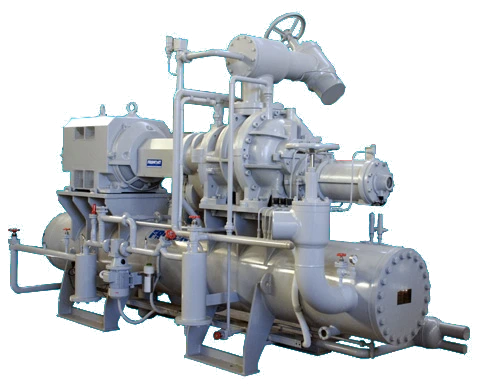
Industrial ammonia chillers: GWP 0, high efficiency and reduced charge.
Applications
What it solves.
Ammonia is the natural refrigerant with the longest history in industrial refrigeration: it does not deplete the ozone layer, its GWP is 0 and its efficiency is among the highest. FRIMONT designs and builds ammonia chillers to cool water, glycol or other process fluids, with reduced charge and a design built around safety.
- Meat plants and food factories that need chilled water or glycol for their processes.
- Plants with an ammonia machine room that add a chiller to the existing system.
- Medium and low temperature processes seeking low energy consumption.
Configurations
A configuration tailored to your application.
Technical selection defines the equipment and its integration with the process.
Reduced charge
Plate or shell-and-plate evaporators, with dry expansion or low-volume flooded operation. The ammonia charge is a fraction of that of a traditional plant and stays inside the chiller.
Compression
Screw or reciprocating compressors depending on capacity and duty, including the GEA units FRIMONT distributes and integrates. The semi-hermetic GEA CompaX runs without a shaft seal and keeps the risk of leaks to a minimum.
Condensing
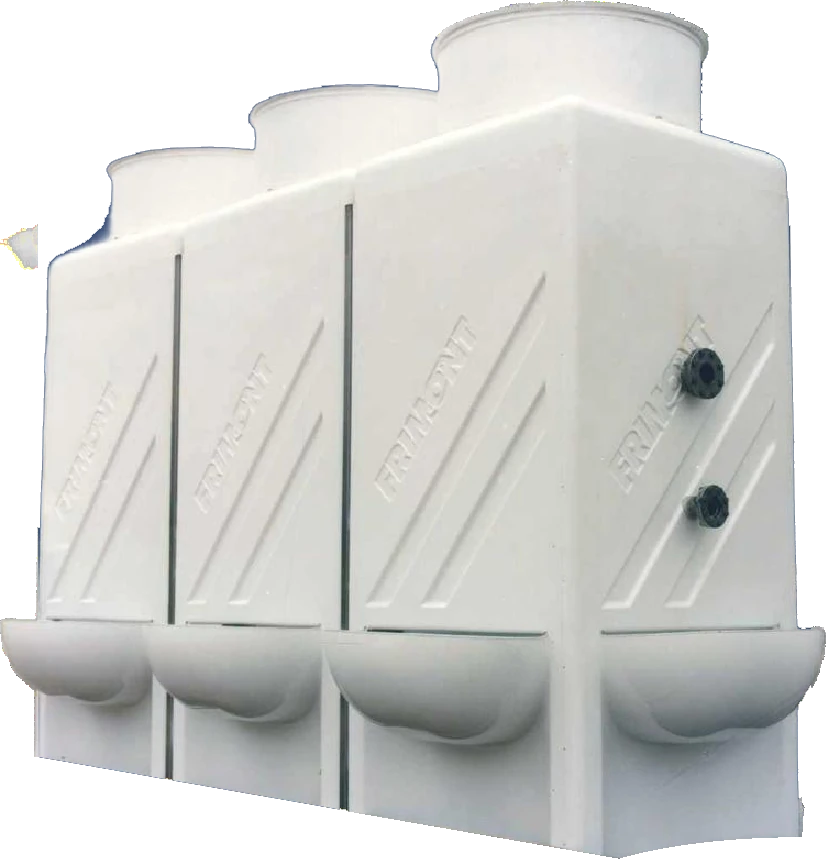
Water-cooled, with cooling towers, or with evaporative condensers, which FRIMONT also manufactures. Evaporative condensing allows a lower condensing temperature and lower consumption.
Materials and safety
Ammonia attacks copper: heat exchangers, piping and fittings are steel or stainless steel. It can be smelled from about 5 ppm, long before it reaches dangerous concentrations, and the design adds detection, ventilation and pressure relief.
Standards we work to
Design, installation, operation and maintenance to the safety standards for ammonia systems.
Standards
- ANSI/IIAR 2: safe design of closed-circuit ammonia refrigeration systems.
- ANSI/IIAR 6: inspection, testing and maintenance.
- ANSI/IIAR 7: operating procedures.
- ANSI/IIAR 9: minimum safety requirements for existing systems.
Technical data
Reference values.
Ammonia (R-717)
Properties that shape the design of an ammonia chiller.
| Property | Value |
|---|---|
| ASHRAE 34 safety class | B2L: higher toxicity, lower flammability |
| GWP (100 years) | 0 |
| Ozone depletion potential | 0 |
| Boiling point at atmospheric pressure | −33 °C |
| Odor threshold | ≈ 5 ppm |
| Materials | Steel and stainless steel; no copper |
| Density relative to air | Lighter: a leak rises |
Sources: BITZER refrigerant data and ASHRAE 34 classification.
Selection
How we define the solution for your process.
We start from what you need to achieve and your facility conditions. We guide you through defining requirements and selecting an appropriate configuration. You do not need to have all this data to start the conversation.
What we evaluate during technical definition
- Fluid and temperatures
- Fluid to be cooled, inlet and outlet temperatures, flow and demand variations.
- Location and machine room
- Existing or new machine room, ventilation, access and distance to people and public areas.
- Integration with the plant
- Existing ammonia installation, available condensing and heat recovery options.
Documentation
Technical documentation.
Request technical documentation for the configuration required by your process. Tell us about your application and operating conditions to guide the inquiry.
Request technical documentationEngineering and integration
Scope is defined with you.
From equipment selection to integration, installation, and commissioning, we agree on what the project needs and how it connects to your facility. Control systems and after-sales service are integral parts of that conversation.
What we can undertakeWithin the same system
Related equipment.
Green chillers · Natural refrigerants
Chillers with ammonia, CO₂ or hydrocarbons: natural refrigerants with no impact on the ozone layer and zero or near-zero GWP.
Explore equipment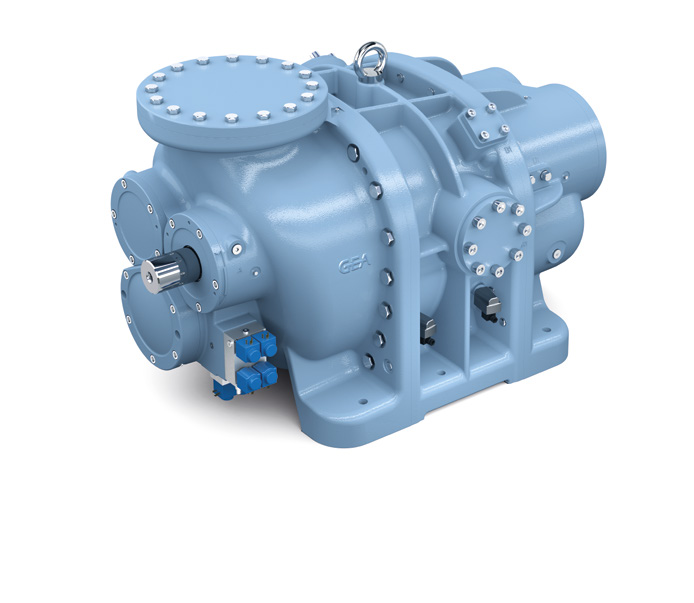
Screw compressors
GEA compressors for industrial refrigeration, air conditioning and heat pumps.
Explore equipment